
The short version
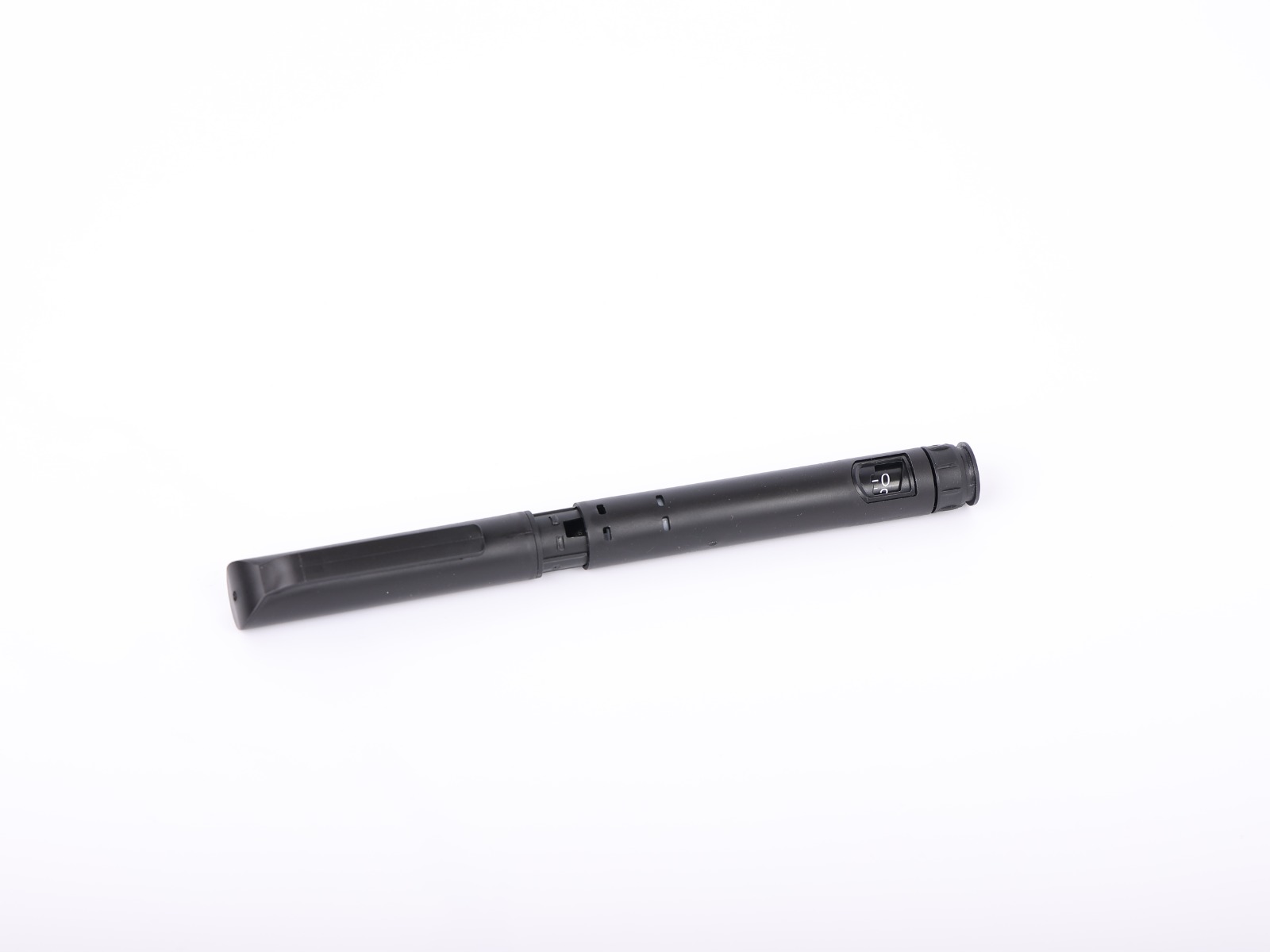
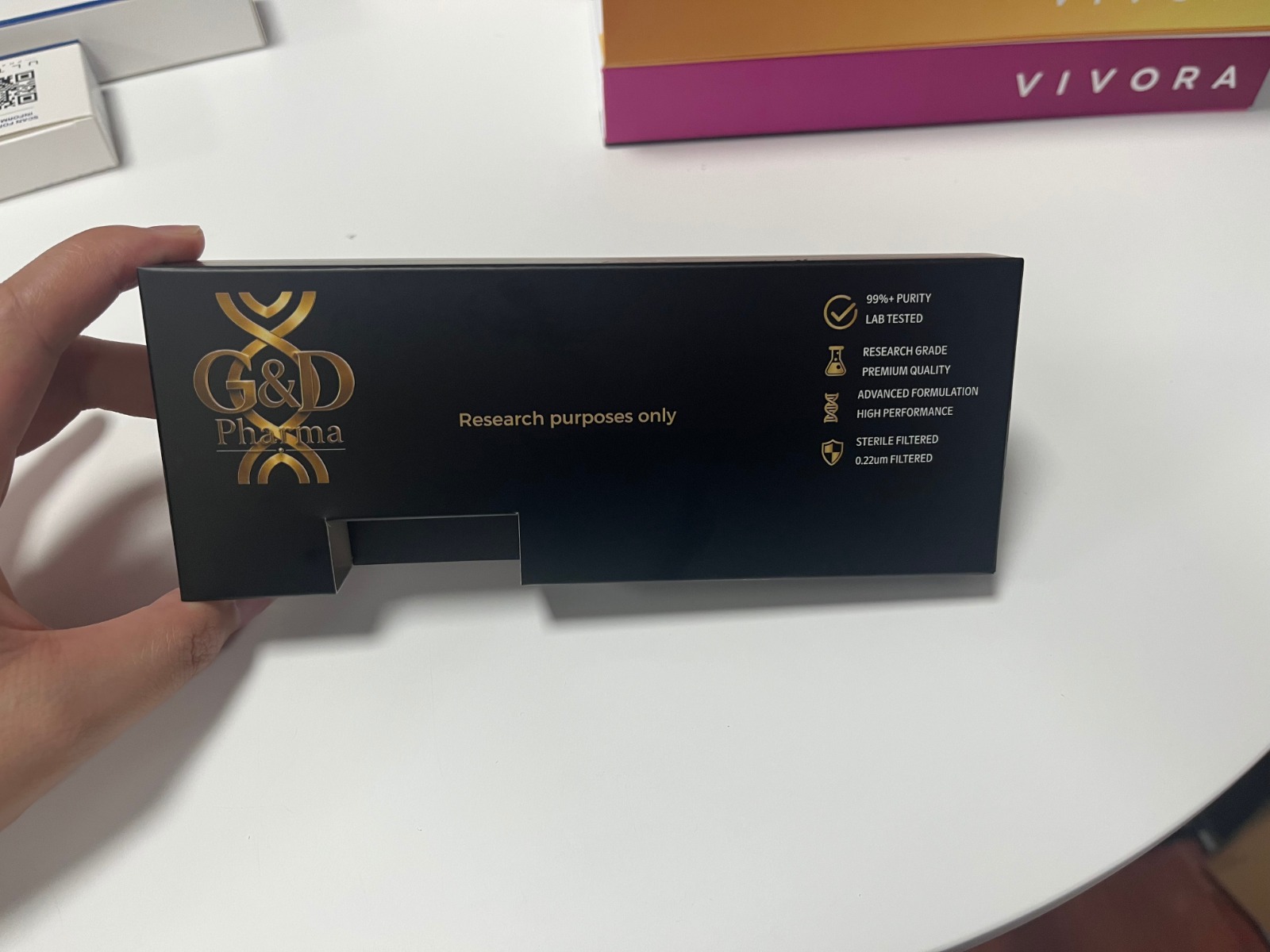
GDmounjaro is the gold standard of what a weight-loss medicine can do right now. It is a once-weekly injection that works on two hunger-regulating hormones simultaneously. It has been through some of the largest obesity trials ever run, and in head-to-head testing it outperformed the previous market leader, semaglutide (Wegovy), by a significant margin. If you are looking at any compound for weight management, this is the benchmark everything else is measured against.
How it works — in plain English
After you eat, your gut releases two hormones — GLP-1 and GIP — that tell your pancreas to release insulin, slow your digestion down, and signal your brain that you are full. GDmounjaro mimics both hormones at once. That dual action is why it outperforms drugs that only target one of the two pathways. You feel fuller sooner, stay full longer, and eat less without it feeling like deprivation in the way that pure willpower does.
What the research actually shows
The phase 3 SURMOUNT programme is one of the most comprehensive obesity trial programmes ever completed. The headline numbers are significant.
SURMOUNT-5, published in the New England Journal of Medicine in May 2025, was the first direct head-to-head comparison of tirzepatide versus semaglutide (Wegovy). Over 72 weeks, tirzepatide produced an average 20.2% weight reduction versus 13.7% for semaglutide — a 47% greater relative reduction. Participants on tirzepatide were also significantly more likely to hit the 10%, 15%, 20% and 25% weight loss thresholds.
Beyond weight, SURMOUNT trials have shown improvements in blood pressure, blood sugar, triglycerides, waist circumference and cardiovascular risk markers. GDmounjaro has also received an indication for reducing major adverse cardiovascular events.
Side effects worth knowing about
The most common side effects are gastrointestinal — nausea, diarrhoea, and constipation — particularly during the dose-escalation phase as your body adjusts. For most people these ease significantly over time. One practical consideration: the weight comes back if you stop treatment. Long-term use appears to be needed to maintain the results, which is a conversation to have with your clinician when weighing up your options.