
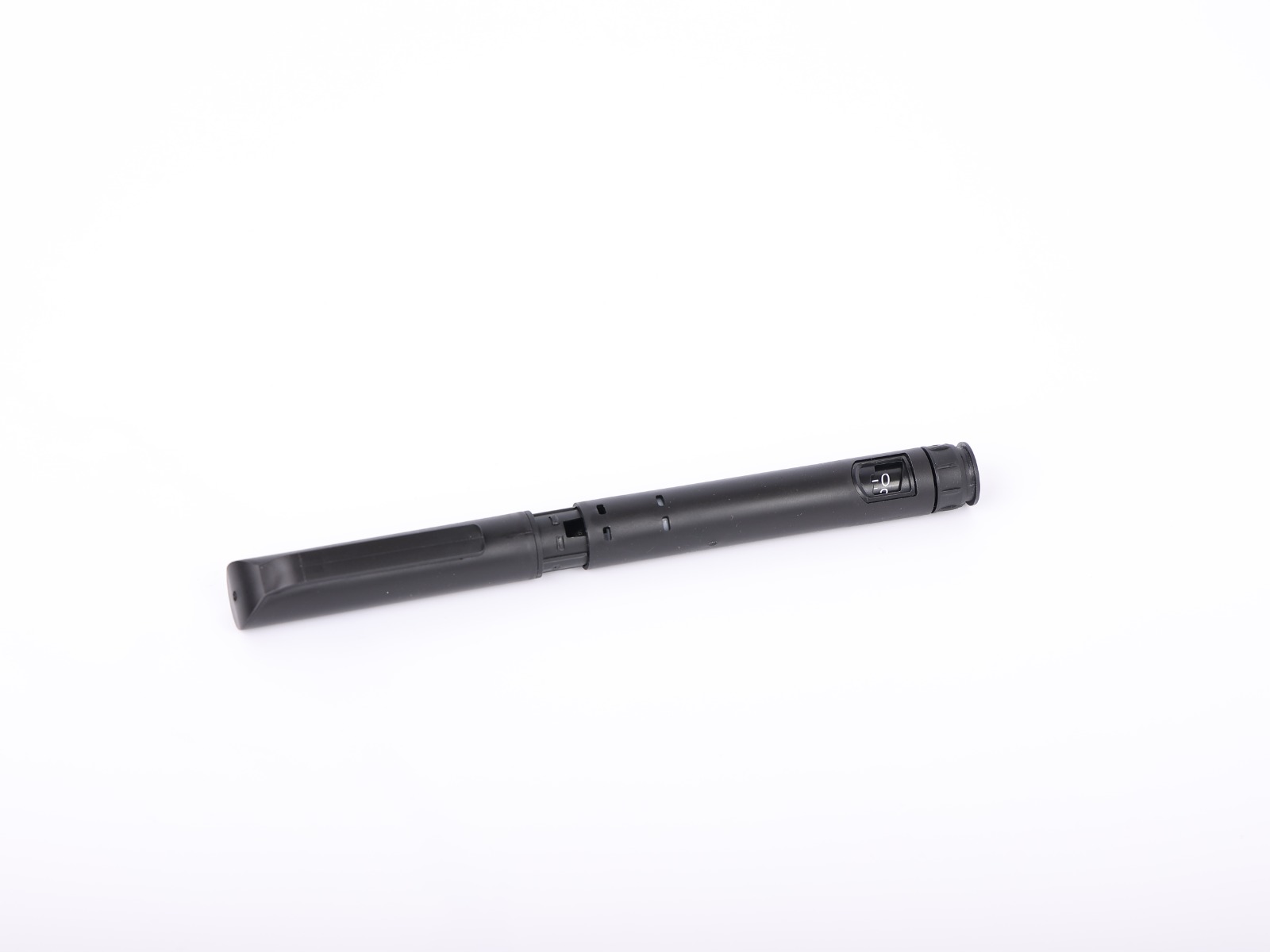
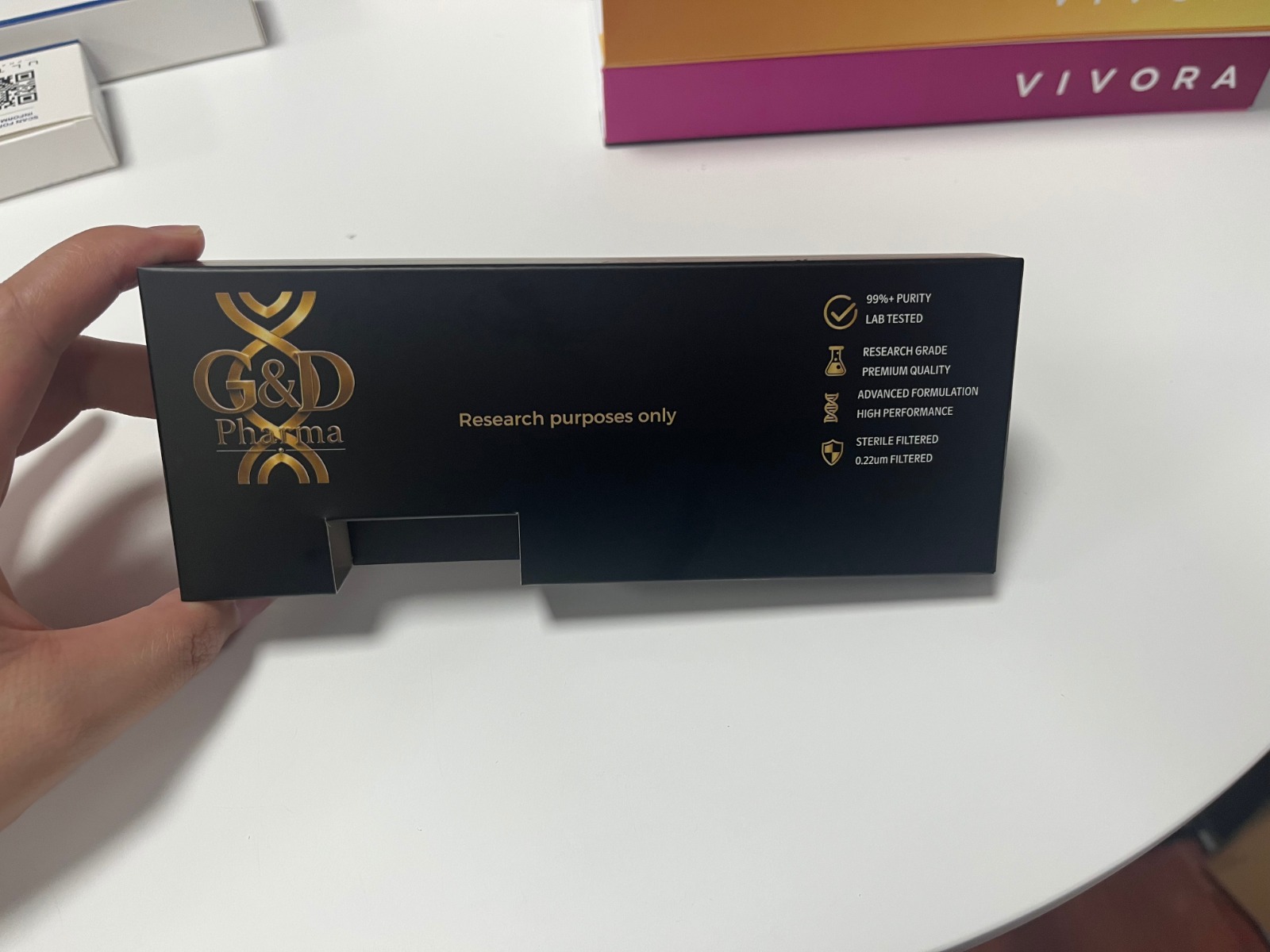
The short version
GDreta is the next generation of weight-loss medicine and the data so far is genuinely remarkable. Where tirzepatide hits two receptors, retatrutide hits three — adding glucagon to the mix, which ramps up energy expenditure on top of the appetite suppression you get from GLP-1 and GIP. Phase 3 results published in May 2026 showed weight losses approaching what bariatric surgery typically achieves. It is not approved yet, but it is the most exciting compound in this space right now.
How it works — in plain English
Think of tirzepatide working on two levers — appetite and insulin. GDreta adds a third: the glucagon receptor. Glucagon is a hormone that tells your body to burn more energy, including from stored fat. By activating all three receptors at once, retatrutide suppresses appetite, improves how the body handles blood sugar, and increases the calories the body burns at rest. That three-pronged approach is why the weight loss numbers are larger than anything seen before in a drug trial.
What the research actually shows
The TRIUMPH phase 3 programme — involving over 5,800 participants across multiple trials — has produced the most dramatic weight loss data ever seen in a pharmaceutical trial at this scale.
TRIUMPH-1 results, announced in May 2026, showed all three doses met every primary and secondary endpoint in a 2,339-person placebo-controlled trial. A 30% average weight loss at two years is a figure previously only associated with bariatric surgery, not a weekly injection. Alongside weight, participants saw significant improvements in cardiovascular risk factors.
Earlier TRIUMPH-4 data in people with obesity and knee osteoarthritis showed an average 28.7% weight loss at 68 weeks and dramatic reductions in joint pain scores — with more than one in eight participants becoming completely free from knee pain by the end of the trial.
What about side effects?
The safety profile in trials has been broadly similar to tirzepatide and other GLP-1 class drugs — mainly gastrointestinal effects during dose escalation. Some analysts have noted that the side effect rates deserve close scrutiny as the full results are published in peer-reviewed journals. Long-term safety data is still accumulating across the TRIUMPH programme.