Tesamorelin occupies a unique position in the peptide research landscape: it is the only GHRH (growth hormone-releasing hormone) analogue to achieve FDA approval. It was approved in 2010 for HIV-associated lipodystrophy — the excess visceral abdominal fat that accumulates as a side effect of antiretroviral therapy. The approval means it has phase 3 human trial data behind it, which distinguishes it from most research peptides.
What GHRH Is
GHRH is the hormone the hypothalamus uses to signal the pituitary gland to produce growth hormone. Tesamorelin is a synthetic analogue of GHRH — it binds the same receptor and produces the same downstream effect: a pulse of growth hormone release from the pituitary.
Growth hormone has multiple metabolic functions. Among the most relevant for body composition research is its role in lipolysis — the breakdown and mobilisation of stored fat. Growth hormone preferentially mobilises visceral fat (the fat surrounding the organs in the abdominal cavity) over subcutaneous fat (the fat just under the skin).
Why Visceral Fat Matters
Visceral fat is metabolically active in ways that subcutaneous fat is not. It produces inflammatory cytokines, contributes to insulin resistance, and is more strongly associated with cardiovascular risk than subcutaneous fat. Reducing visceral fat specifically — not just total body weight — has meaningful implications for metabolic health research.
This specificity is what makes tesamorelin interesting for research beyond its approved HIV-associated indication. The mechanism targets visceral fat preferentially, and the phase 3 data confirms this selectivity.
Phase 3 Trial Results
The pivotal trials for tesamorelin's FDA approval showed average reductions in visceral adipose tissue of around 15-20% versus placebo over 26 weeks of treatment. These reductions were specific to visceral fat — subcutaneous fat was not significantly affected, confirming the selective mechanism.
Secondary outcomes included improvements in triglyceride levels and lipid profiles consistent with reduced visceral fat burden.
Combination Research
Tesamorelin is used in combination with GDreta in The Sculptor stack — GDreta for systemic fat loss through three receptor pathways, tesamorelin for specific visceral fat targeting through a GHRH mechanism. The combination addresses different fat depots through completely different mechanisms, which is the research rationale for the pairing.
Supply
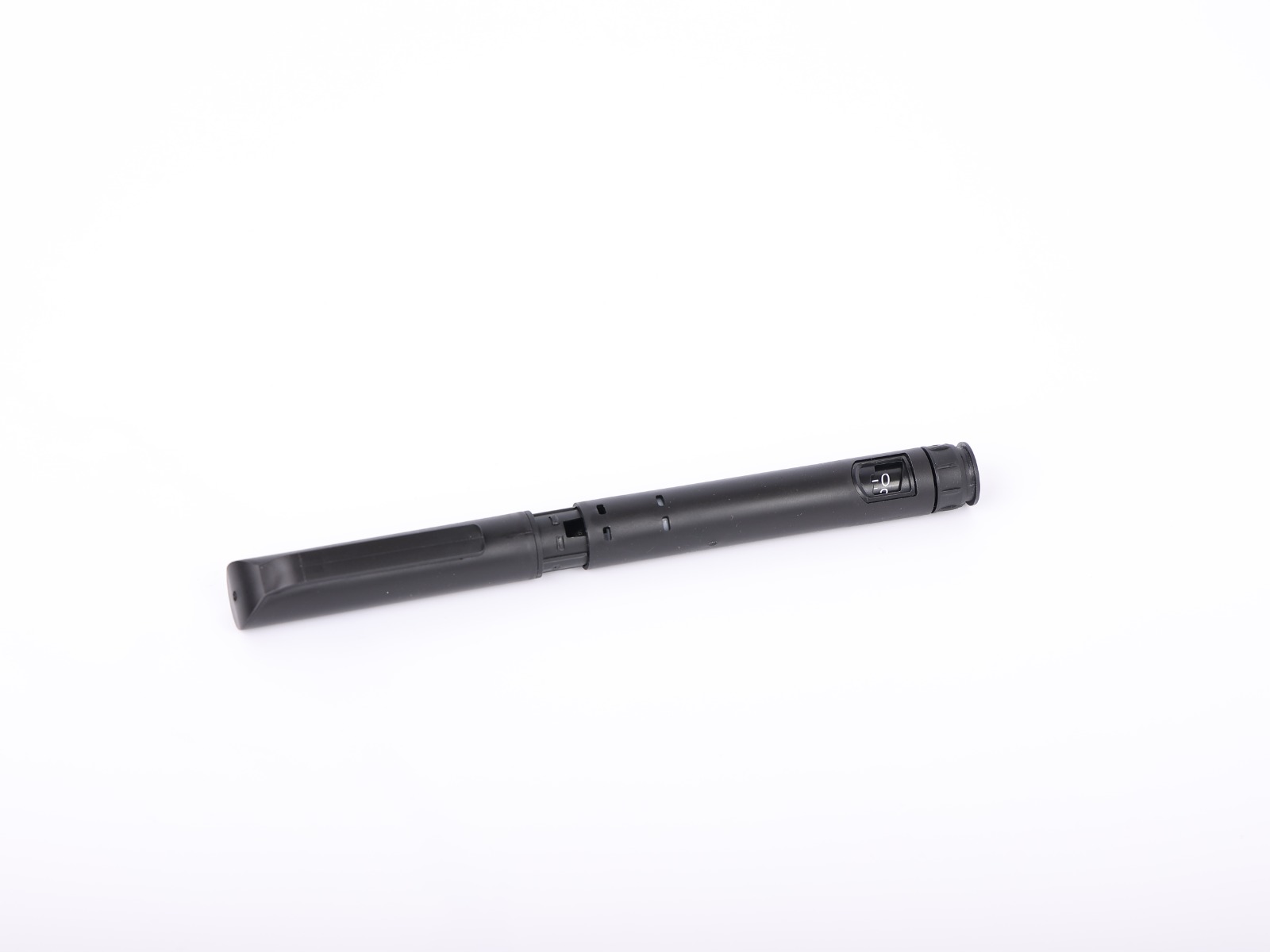
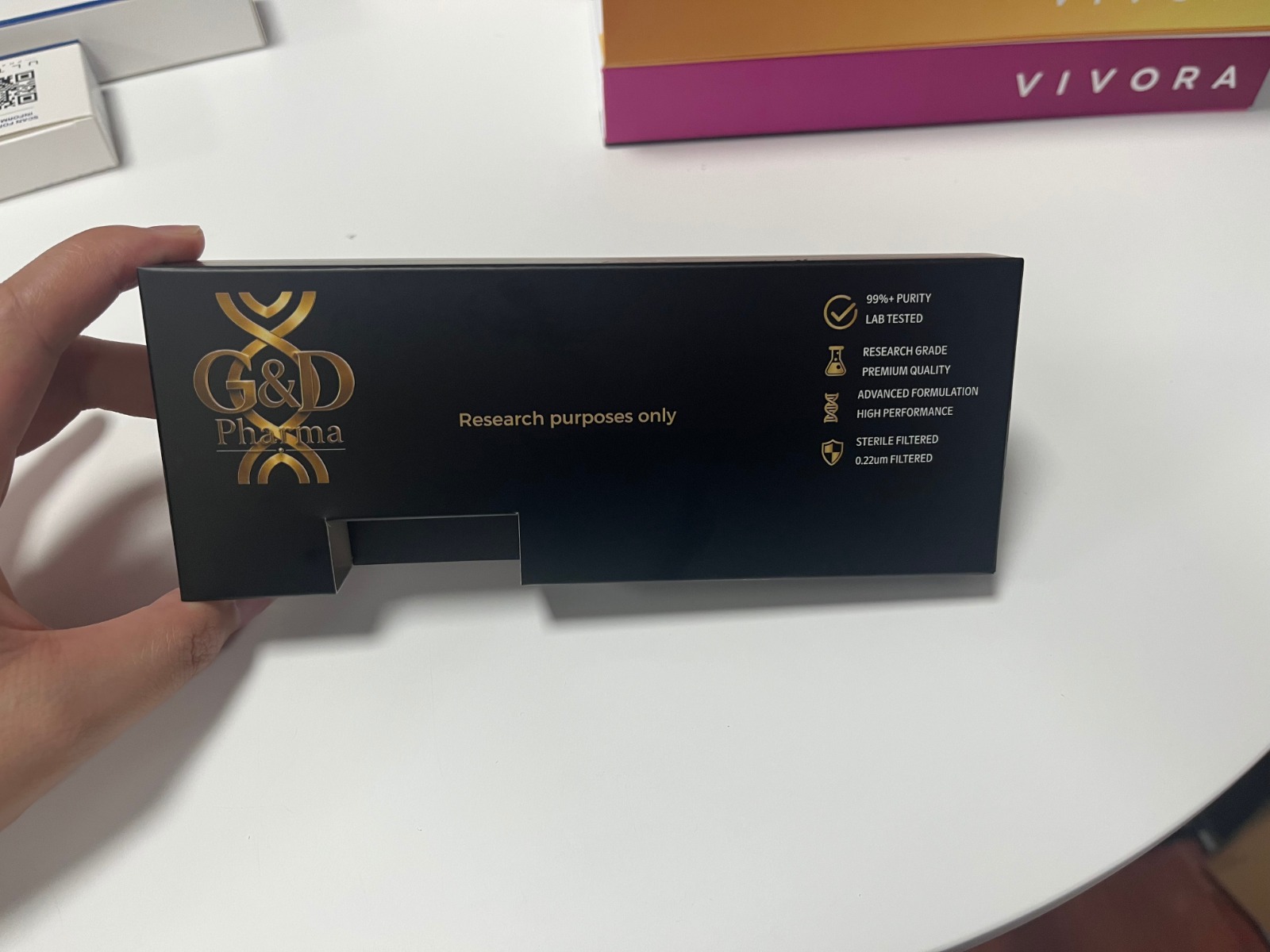
G&D Pharma supplies tesamorelin at 20mg as a research pen for research purposes only.
For research purposes only
All compounds supplied by G&D Pharma are research chemicals only. This article is educational. It is not medical advice. Speak to a qualified clinician before making any health decision.