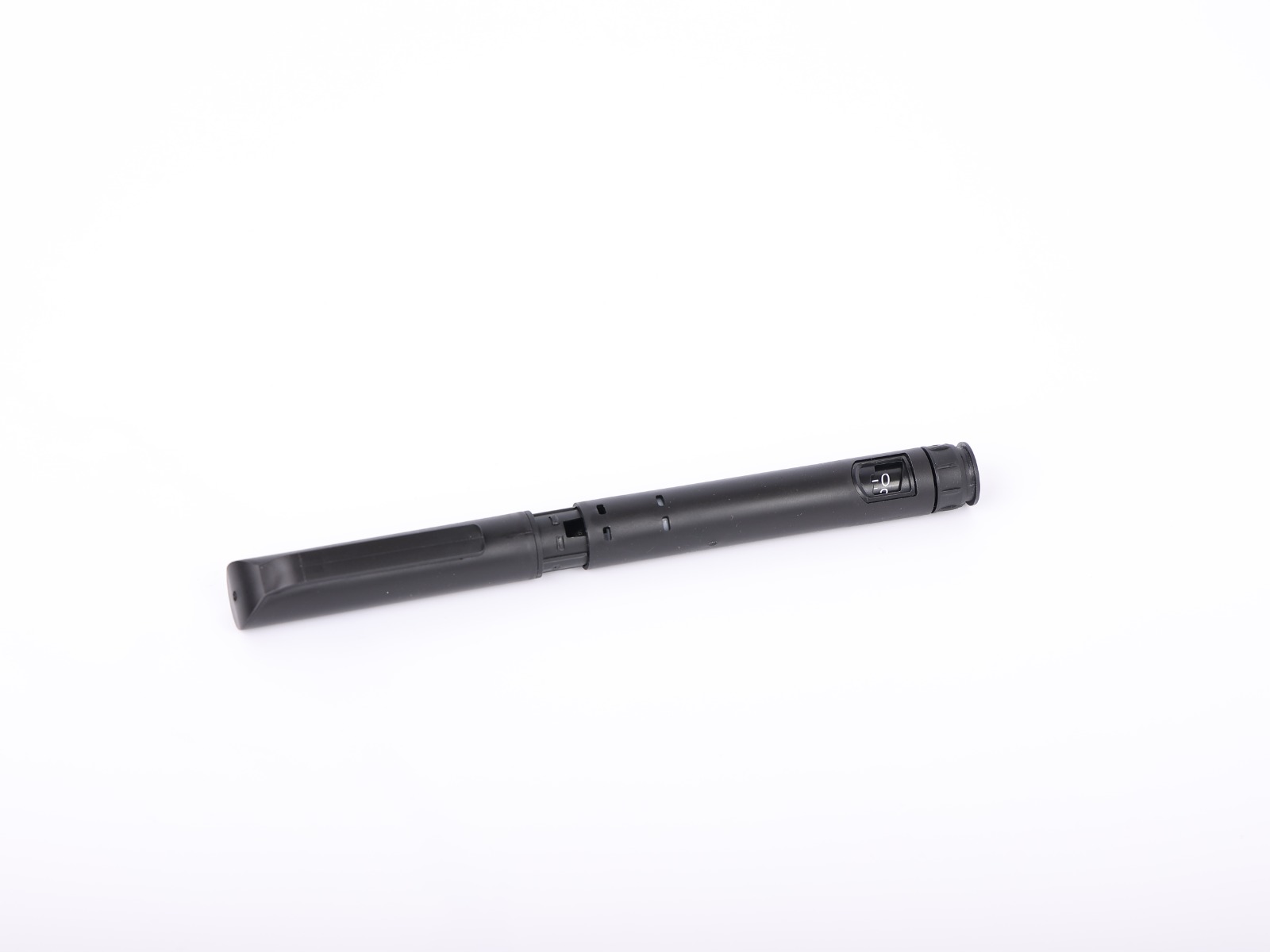
Semax is unusual among research peptides in that it has a genuine clinical history. Developed in Russia in the 1980s as a synthetic derivative of ACTH (adrenocorticotropic hormone), it has been on Russia's list of vital and essential medicines for over two decades. That means it has been used clinically by Russian physicians for conditions including stroke recovery, cognitive impairment and optic nerve disease. The evidence base, while not meeting Western RCT standards in most cases, is more substantial than for most nootropic compounds.
The BDNF Mechanism
Semax's primary researched mechanism is upregulation of BDNF — brain-derived neurotrophic factor. BDNF is often described as fertiliser for the brain. It supports the growth of new neurons, strengthens synaptic connections between existing neurons, and protects neural tissue from stress and damage.
BDNF declines with age and with chronic stress. Low BDNF levels are associated with depression, cognitive decline and neurodegeneration. Compounds that raise BDNF are an active area of research across neuroscience and psychiatry.
Multiple animal and cell studies confirm that Semax significantly increases BDNF expression in the hippocampus and prefrontal cortex — the areas most associated with memory, learning and executive function. The effect appears within hours of administration.
Dopamine and Serotonin Effects
Beyond BDNF, Semax modulates dopamine and serotonin metabolism. This is the likely explanation for the improvements in mood and motivation reported in research alongside cognitive effects. Dopamine is central to motivation, focus and reward processing. The combination of BDNF upregulation with dopaminergic and serotonergic modulation creates a broad neurochemical profile that distinguishes Semax from narrower nootropic compounds.
Russian Clinical Research
Russian published studies have shown cognitive improvements in stroke recovery patients, meaningful effects on attention and working memory under sustained mental load, and neuroprotective effects in models of ischemic brain injury. A neuroimaging study found measurable effects on the brain's default mode network in Semax-treated subjects versus placebo.
These studies were conducted with Russian clinical research standards, which differ from FDA or EMA requirements for randomised controlled trials. They should be interpreted accordingly — encouraging but not equivalent to Western phase 3 trial data.
Nasal Administration
Semax is supplied as a nasal spray. The nasal route is specifically chosen because the olfactory pathway provides direct access to the central nervous system without requiring the compound to cross the blood-brain barrier. This is particularly relevant for neuro-targeted compounds because the blood-brain barrier excludes many large molecules.
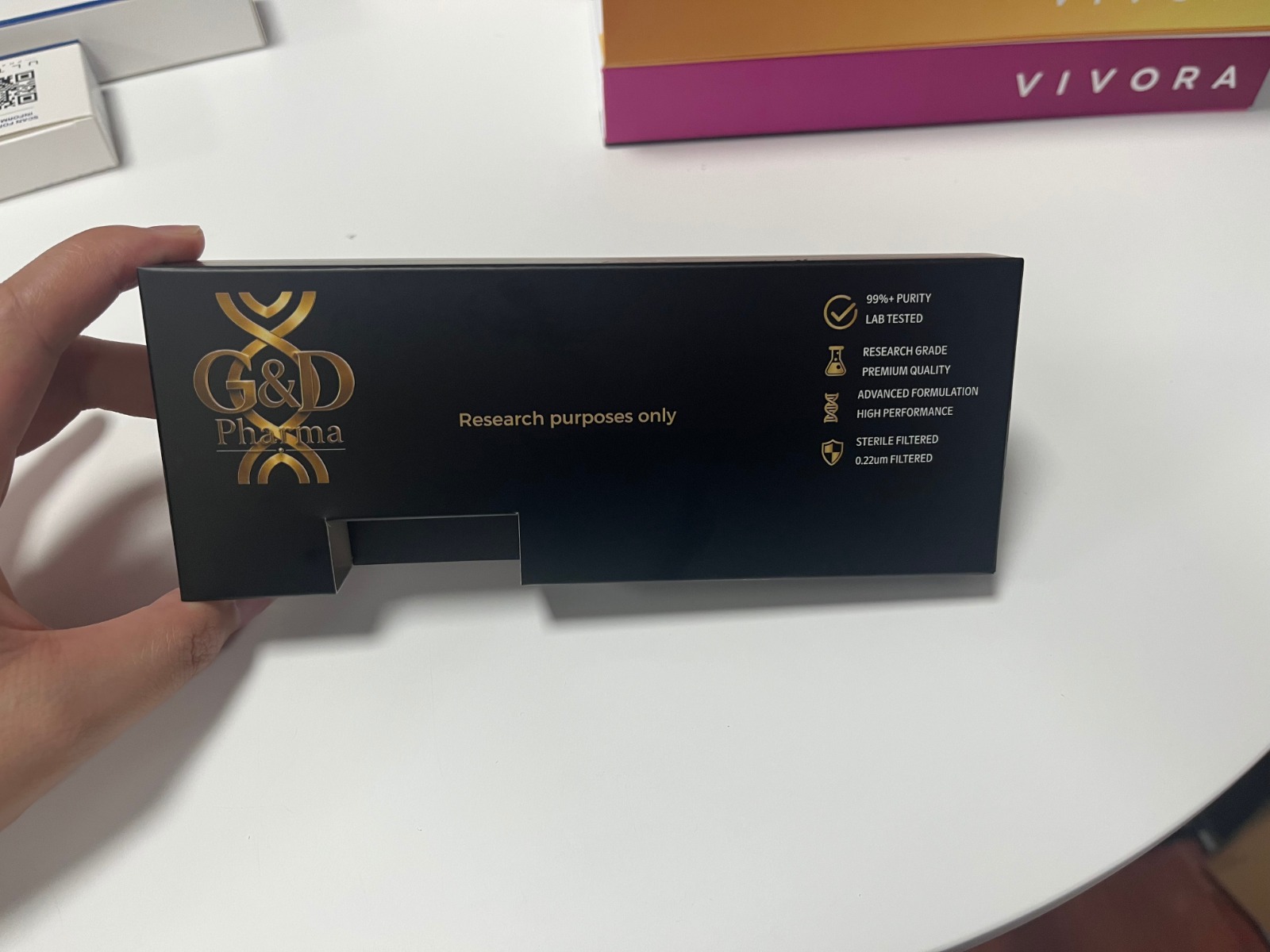
G&D Pharma supplies Semax at 10mg as a nasal research spray. It is included in The Mind Stack alongside NAD+ and Epitalon.
UK Regulatory Status
Semax is not approved by the MHRA or any Western regulatory body. It is supplied as a research chemical only.
For research purposes only
All compounds supplied by G&D Pharma are research chemicals only. This article is educational. It is not medical advice. Speak to a qualified clinician before making any health decision.