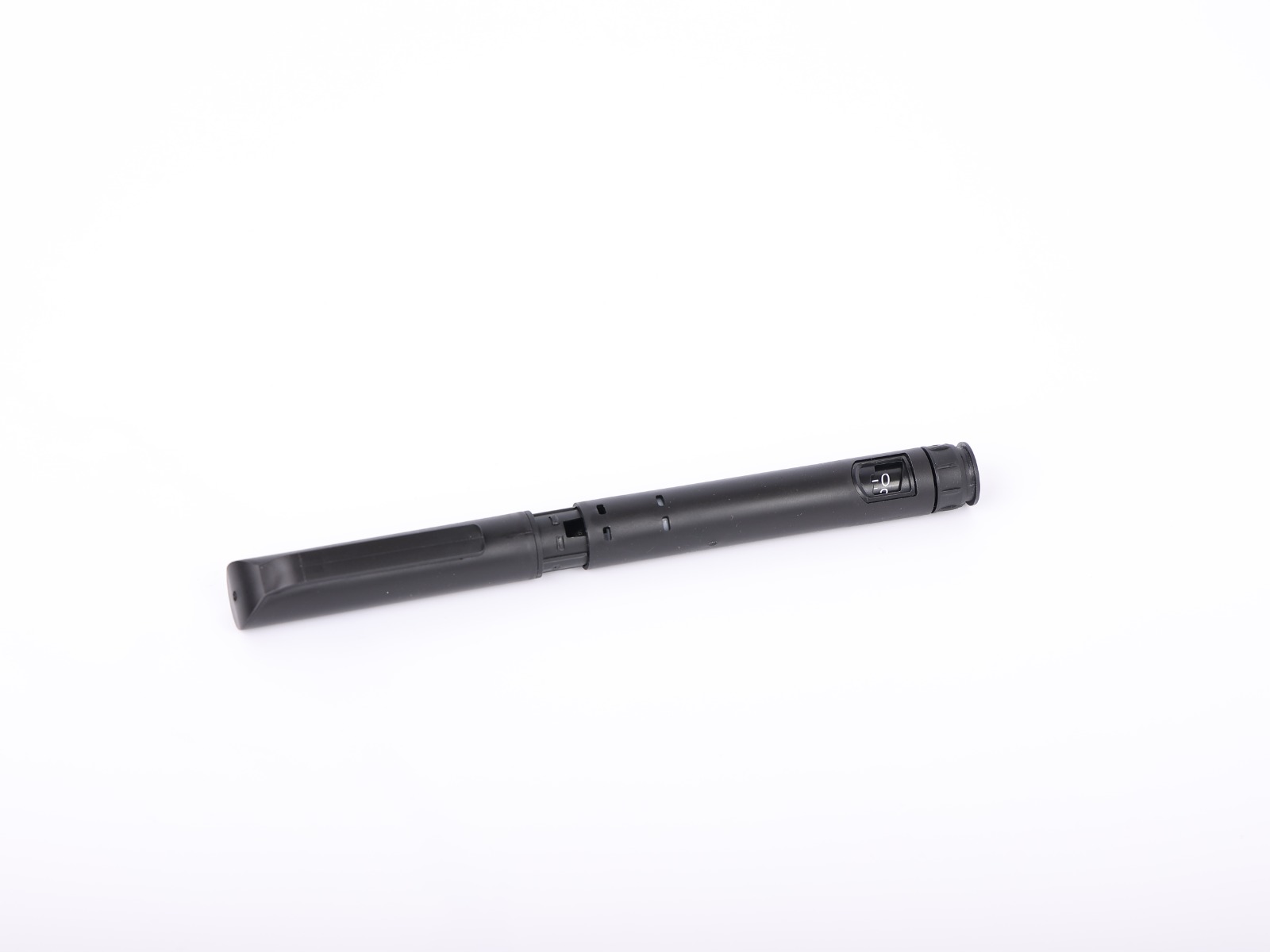
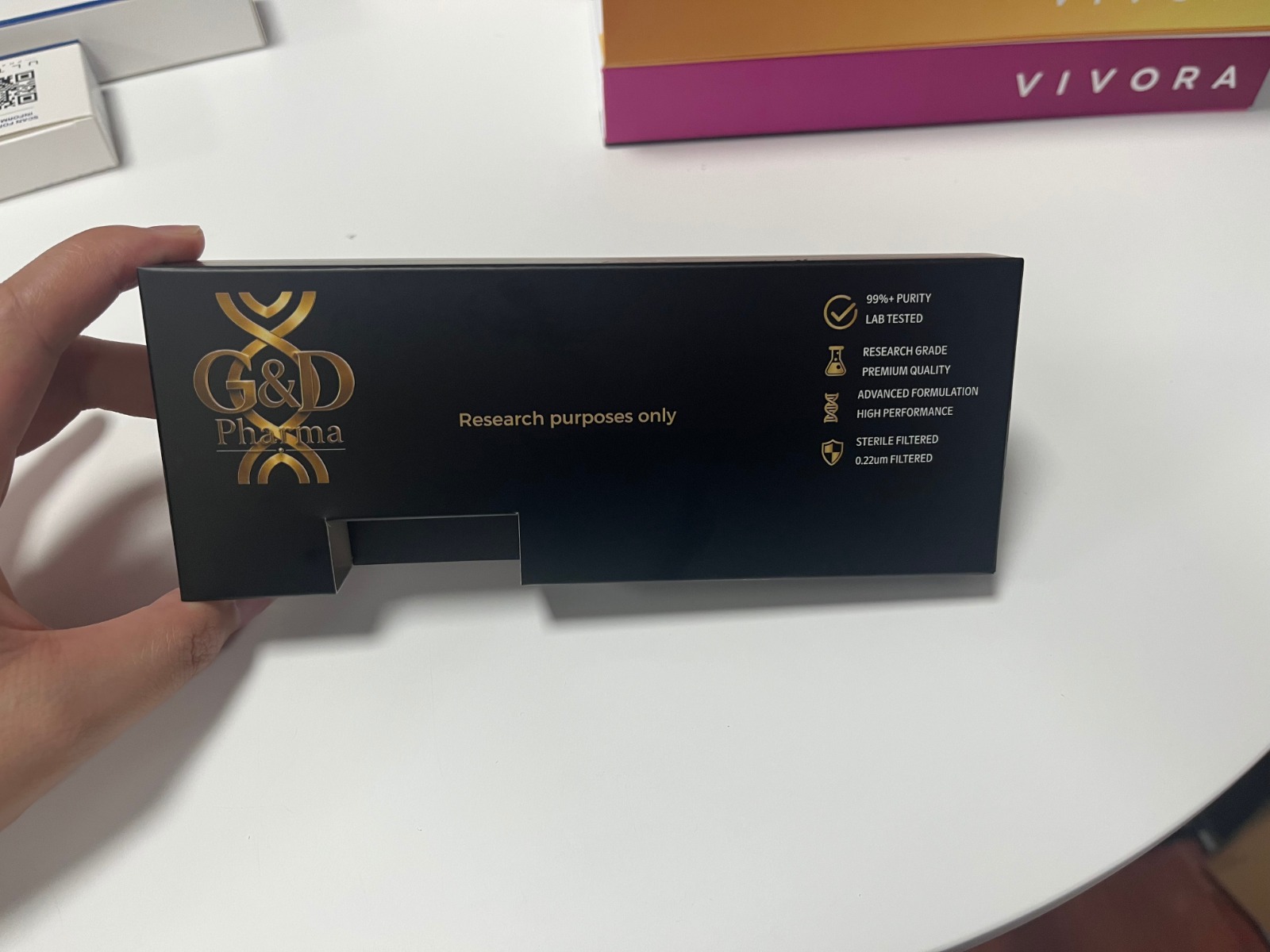
The term "weight loss peptide" covers a wide range of compounds with very different mechanisms, very different evidence bases, and very different regulatory statuses. This guide covers the compounds most studied for weight loss and body composition, with honest assessment of the evidence for each.
GDmounjaro (Tirzepatide) — Strongest Evidence
GDmounjaro is an approved medicine (as Mounjaro) with the strongest evidence base of any compound in this category. Phase 3 trials showed average weight loss of around 20% of body weight at maximum dose, with some participants exceeding 25%. It works through dual GIP/GLP-1 receptor activation and is the current benchmark against which other compounds are measured.
Evidence rating: Approved medicine with multiple large-scale phase 3 trials.
GDreta (Retatrutide) — Most Promising Pipeline
GDreta is in late-stage trials showing approximately 30% average weight loss — the highest figure seen in any pharmaceutical weight loss trial to date. Not yet approved. Works through GIP, GLP-1 and glucagon receptor activation simultaneously, adding energy expenditure to the appetite suppression seen with GDmounjaro.
Evidence rating: Phase 3 trial data available, regulatory approval pending.
Tesamorelin — Visceral Fat Specific
Tesamorelin is an approved GHRH analogue that specifically reduces visceral abdominal fat. It does not produce the overall weight loss seen with GLP-1 agonists but is unique in targeting the deep abdominal fat around organs that is most strongly associated with metabolic health risk. Phase 3 trial data supports its efficacy for this specific purpose.
Evidence rating: Approved medicine for specific indication (HIV-associated lipodystrophy). Strong evidence for visceral fat reduction.
Lemon Bottle
Lemon Bottle is a fat dissolution compound designed for localised subcutaneous fat reduction via injection into targeted areas. The evidence base is more limited than GLP-1 agonists and the mechanism targets local fat deposits rather than systemic weight loss. It is used in aesthetics research for body contouring applications.
The Key Distinction
GLP-1 agonists like GDmounjaro and GDreta reduce appetite and create an overall caloric deficit. Tesamorelin specifically targets visceral fat through a different mechanism entirely. These approaches address different aspects of body composition and are sometimes used together in research contexts for this reason — which is the basis of The Sculptor stack.
What Peptides Cannot Do
No research peptide replaces a sustainable diet and appropriate exercise for long-term health. The GLP-1 agonist data shows that weight regain occurs when dosing stops if lifestyle changes have not been made. This is important context for any weight loss research that involves these compounds.
For research purposes only
All compounds supplied by G&D Pharma are research chemicals only. This article is educational. It is not medical advice. Speak to a qualified clinician before making any health decision.