NAD+ (nicotinamide adenine dinucleotide) is one of the most studied compounds in longevity science. It is a coenzyme present in every cell in the body, essential for energy production, DNA repair and cellular signalling. The problem — and the reason it has attracted so much research attention — is that levels decline significantly with age.
Why NAD+ Matters
NAD+ sits at the centre of cellular energy metabolism. The mitochondria in your cells use it as a critical component in producing ATP — the molecule that powers virtually every biological process. Without adequate NAD+, energy production becomes less efficient.
Beyond energy, NAD+ activates a class of proteins called sirtuins, which regulate DNA repair, inflammation and cellular stress responses. It also feeds into PARP enzymes that repair DNA damage. Both pathways have significant implications for how cells age and how well they maintain their function over time.
The Age-Related Decline
Research consistently shows that NAD+ levels fall by roughly 50% between the ages of 40 and 60 in human tissue. By age 80, levels in some tissues are a fraction of what they were at 20. This decline correlates with reduced mitochondrial function, increased DNA damage accumulation, and decreased activity of the sirtuin proteins that depend on NAD+ as a substrate.
What Supplementation Research Shows
Studies using NMN and NR — precursors that the body converts to NAD+ — have consistently shown that oral supplementation raises NAD+ levels in human subjects. The question the research is still working to answer is what measurable health outcomes follow from that increase.
Animal studies have shown compelling results: improved mitochondrial function, better metabolic markers, enhanced physical capacity, and in some models, extended lifespan. Human clinical data is more limited but early trials show improvements in energy metabolism, muscle function and metabolic health markers in older adults.
Injectable vs Oral
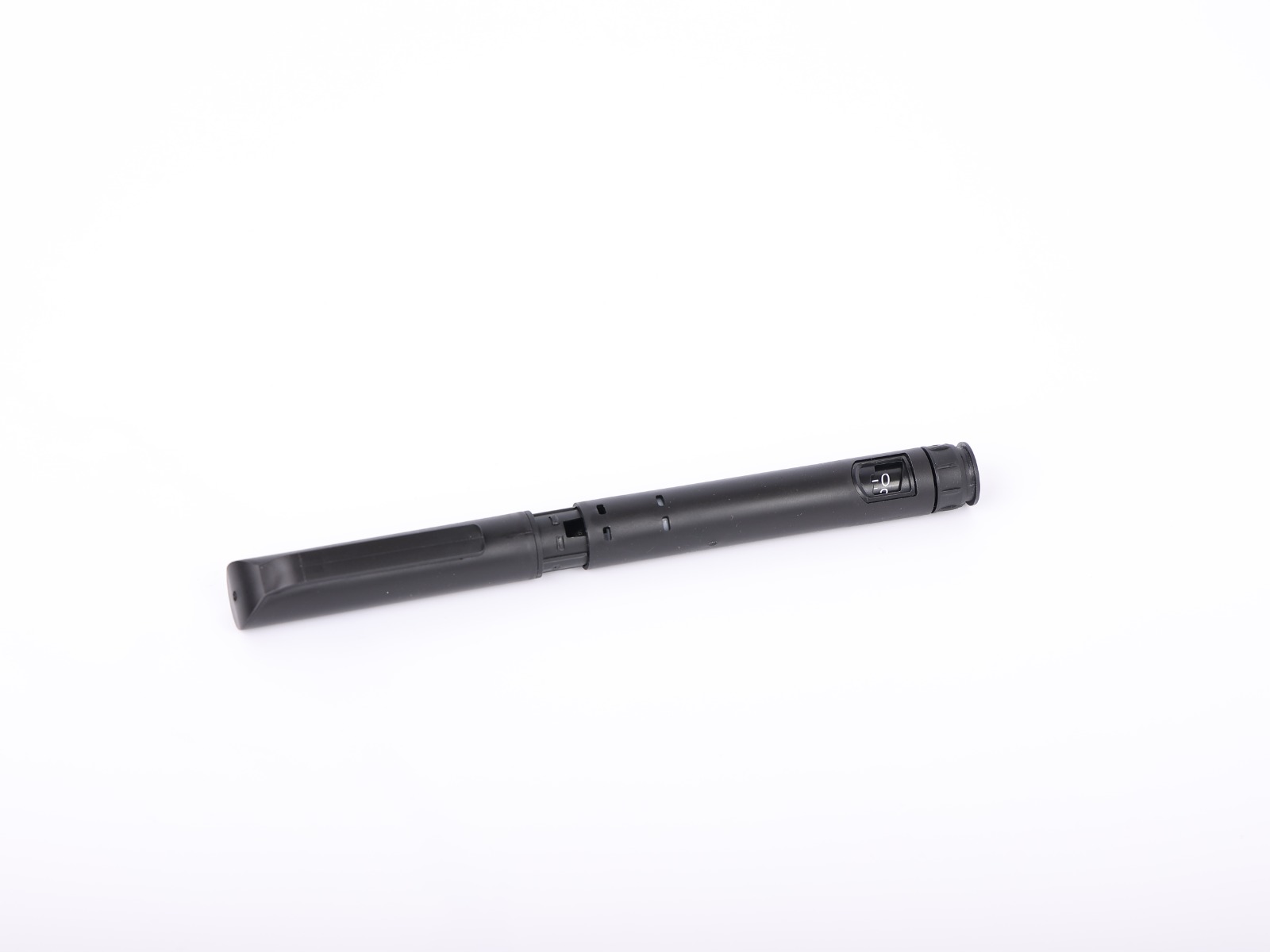
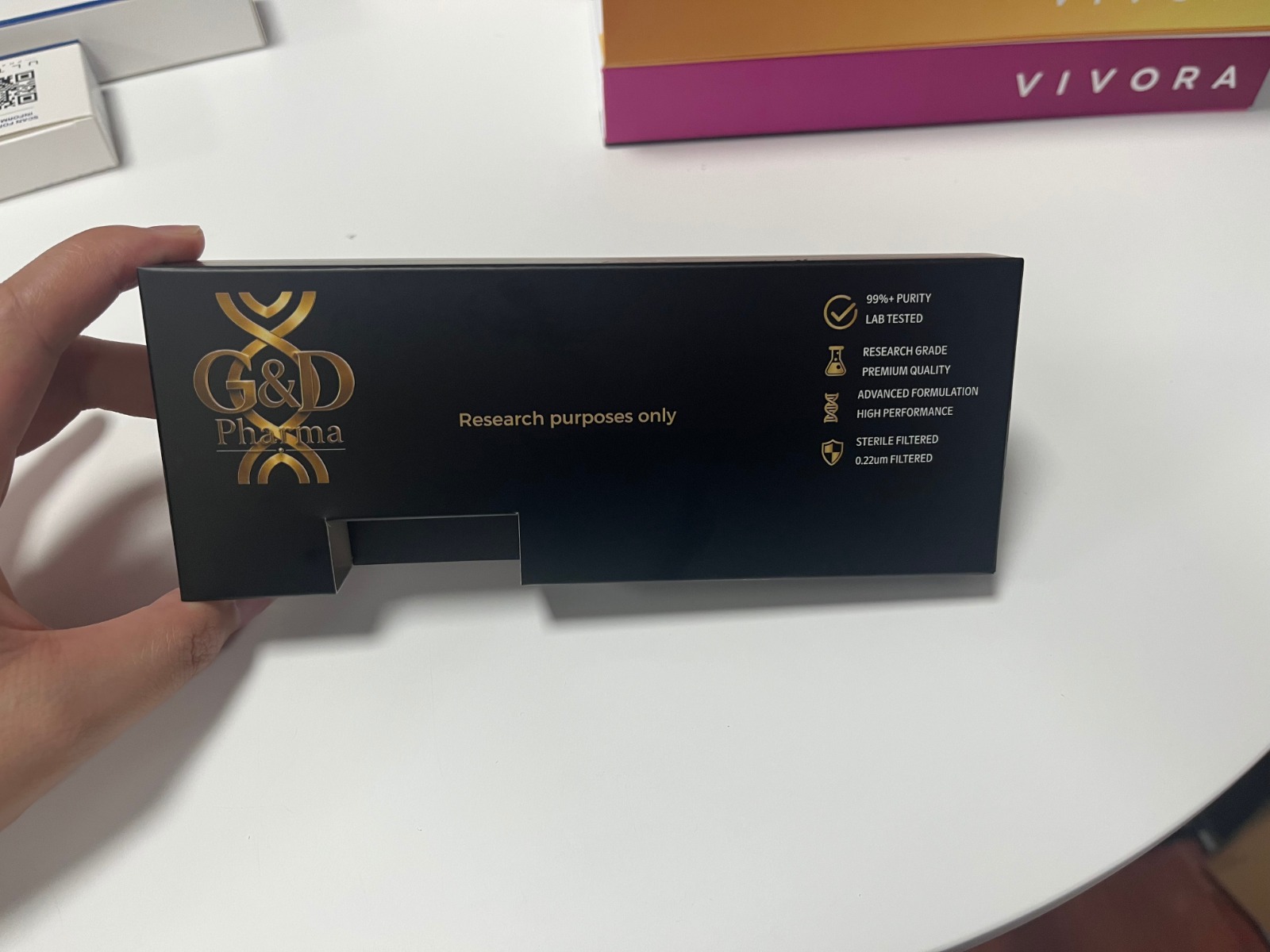
G&D Pharma supplies NAD+ at 500mg as an injectable research pen. Injectable NAD+ bypasses the digestive conversion process that limits oral bioavailability of precursors. Research on intravenous and subcutaneous NAD+ suggests higher peak levels are achievable compared to oral routes. The clinical significance of higher peak levels versus sustained elevated levels from oral precursors is an active area of research.
What Is Not Proven
Honest research coverage requires noting what is not yet established. Human clinical trials on NAD+ supplementation are still relatively early stage. The animal data is compelling and the mechanism is well understood, but large randomised controlled trials in humans confirming specific health outcomes are limited. This is a research area with significant promise and significant remaining questions.
For research purposes only
All compounds supplied by G&D Pharma are research chemicals only. This article is educational. It is not medical advice. Speak to a qualified clinician before making any health decision.