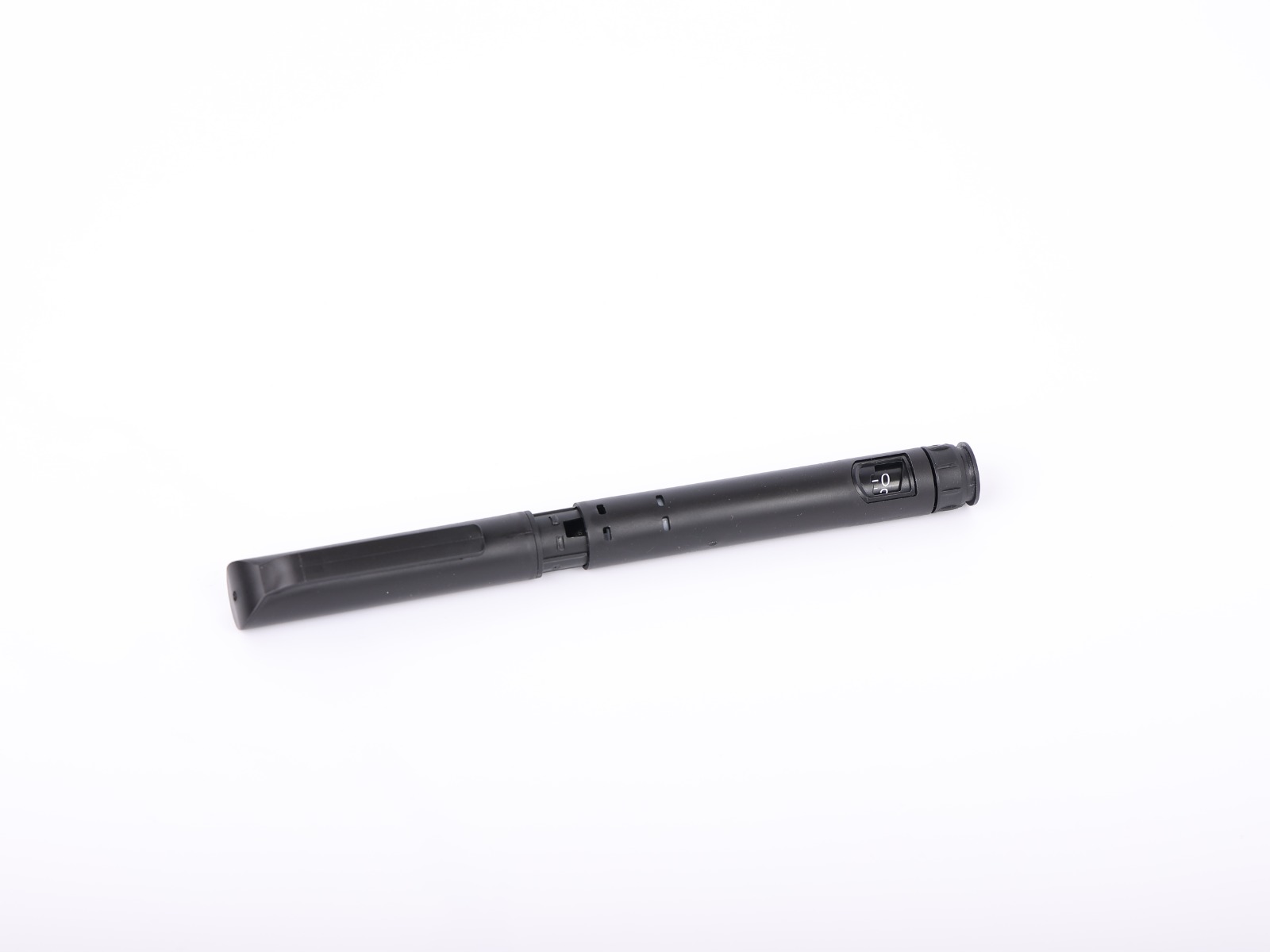
KPV — lysine-proline-valine — is a tripeptide derived from the C-terminal end of alpha-melanocyte-stimulating hormone (alpha-MSH). Alpha-MSH is part of the body's natural inflammatory control system, produced in response to inflammatory signals. KPV is the active anti-inflammatory fragment — the part of alpha-MSH that actually does the work of calming inflammation, without the broader hormonal effects of the full molecule.
The NF-κB Mechanism
KPV works primarily by blocking NF-κB — nuclear factor kappa B — the transcription factor that functions as the master switch for inflammatory gene expression. When NF-κB is activated (by infection, injury, stress or dietary factors), it switches on the production of pro-inflammatory cytokines including TNF-α, IL-6 and IL-1β. These cytokines are the molecules that drive tissue inflammation throughout the body.
KPV enters cells and blocks NF-κB activation, reducing the upstream signal before the inflammatory cascade begins. This mechanism is well-characterised in cell studies and distinguishes KPV from anti-inflammatory compounds that work later in the inflammatory pathway.
Gut Tissue Specificity
A particularly interesting aspect of KPV research is the discovery that it enters intestinal epithelial cells via a specific transporter called PepT1, which is upregulated during intestinal inflammation. This means KPV effectively seeks out the tissue that needs it most when it is most inflamed — a form of natural targeting that makes it especially relevant to gut inflammation research.
Animal studies in colitis models have shown significant reductions in intestinal inflammation following KPV treatment, consistent with the NF-κB blocking mechanism and the PepT1 uptake pathway.
Skin and Wound Applications
Beyond gut research, KPV has been studied for skin inflammation and wound healing applications. Cell studies show it reduces pro-inflammatory cytokine production in keratinocytes (skin cells) and has demonstrated antimicrobial properties in vitro, including against fungal pathogens in immune-compromised cell models.
The combination of anti-inflammatory and antimicrobial properties makes it relevant to wound healing research, where both bacterial colonisation and inflammatory response contribute to healing outcomes.
Combination Research
KPV is included in the KLOW blend alongside GHK-Cu, BPC-157 and TB-500. The combination covers tissue repair (BPC-157/TB-500), collagen and skin healing (GHK-Cu), and inflammation control (KPV) — four complementary mechanisms addressing different aspects of the repair and recovery process.
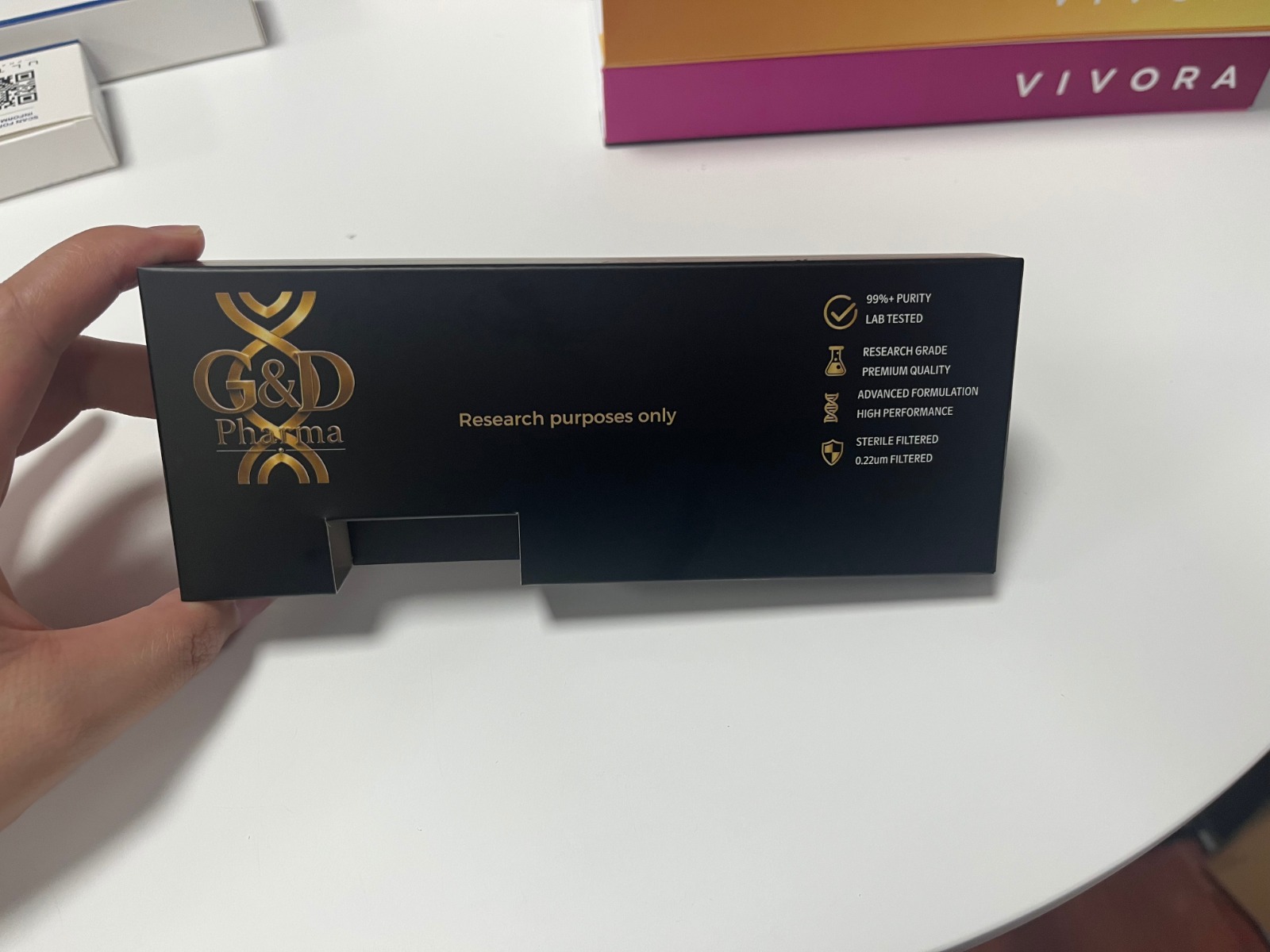
G&D Pharma supplies KPV at 20mg as a standalone research pen, and as a component of the KLOW blend. It is also included in The Glow Stack.
Evidence Limitations
KPV's evidence base is primarily cell studies and animal models. Human clinical data is very limited. The mechanism is well-characterised and the animal data is consistent, but this is research-stage evidence. The compound has not completed human clinical trials for any indication.
For research purposes only
All compounds supplied by G&D Pharma are research chemicals only. This article is educational. It is not medical advice. Speak to a qualified clinician before making any health decision.