GHK-Cu (copper tripeptide-1) has one of the longest research histories of any peptide in this field. First isolated in the 1970s, it has been studied consistently for over five decades, making it unusual in a field where most compounds are relatively recent. The research base is more substantial than almost any other research peptide for skin applications.
What GHK-Cu Is
GHK-Cu is a naturally occurring tripeptide — three amino acids (glycine, histidine, lysine) complexed with copper. It occurs naturally in human plasma, saliva and urine. Plasma levels decline significantly with age, from around 200 nanograms per millilitre at age 20 to around 80 at age 60. This age-related decline correlates with the known reduction in tissue repair capacity and skin quality that occurs over the same period.
The Mechanisms
GHK-Cu activates multiple biological processes relevant to skin health. The best-documented are collagen and elastin production — GHK-Cu upregulates the genes responsible for synthesising the structural proteins that give skin its firmness and elasticity. Multiple in-vitro studies have demonstrated this effect in human dermal fibroblasts.
It also promotes angiogenesis (new capillary growth), accelerates wound healing through cell migration and proliferation, has antioxidant properties, and modulates inflammatory pathways. The copper component contributes independently to several enzyme functions in skin tissue.
What Controlled Trials Show
Unlike many research peptides that have only animal data, GHK-Cu has been tested in human subjects. Controlled studies have shown measurable improvements in skin firmness, reduction in fine lines, improved skin density, and enhanced wound healing speed compared to control groups. These are not marketing claims — they are outcomes from published peer-reviewed research.
A 2009 study published in the Archives of Dermatological Research demonstrated that GHK-Cu applied topically outperformed Vitamin C and retinoic acid on multiple skin quality metrics. The breadth of the evidence base distinguishes it from most other research peptides.
Topical vs Injectable
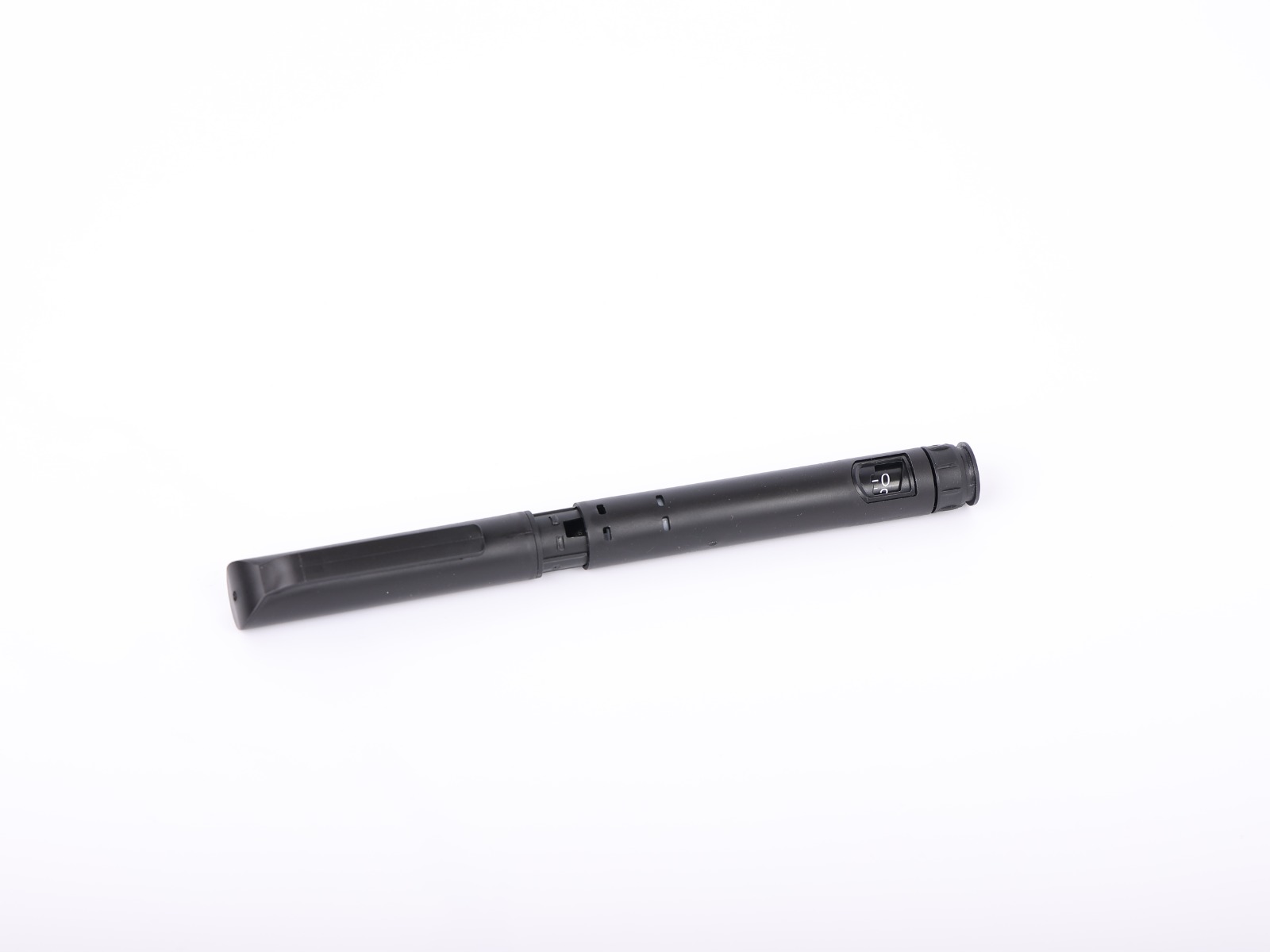
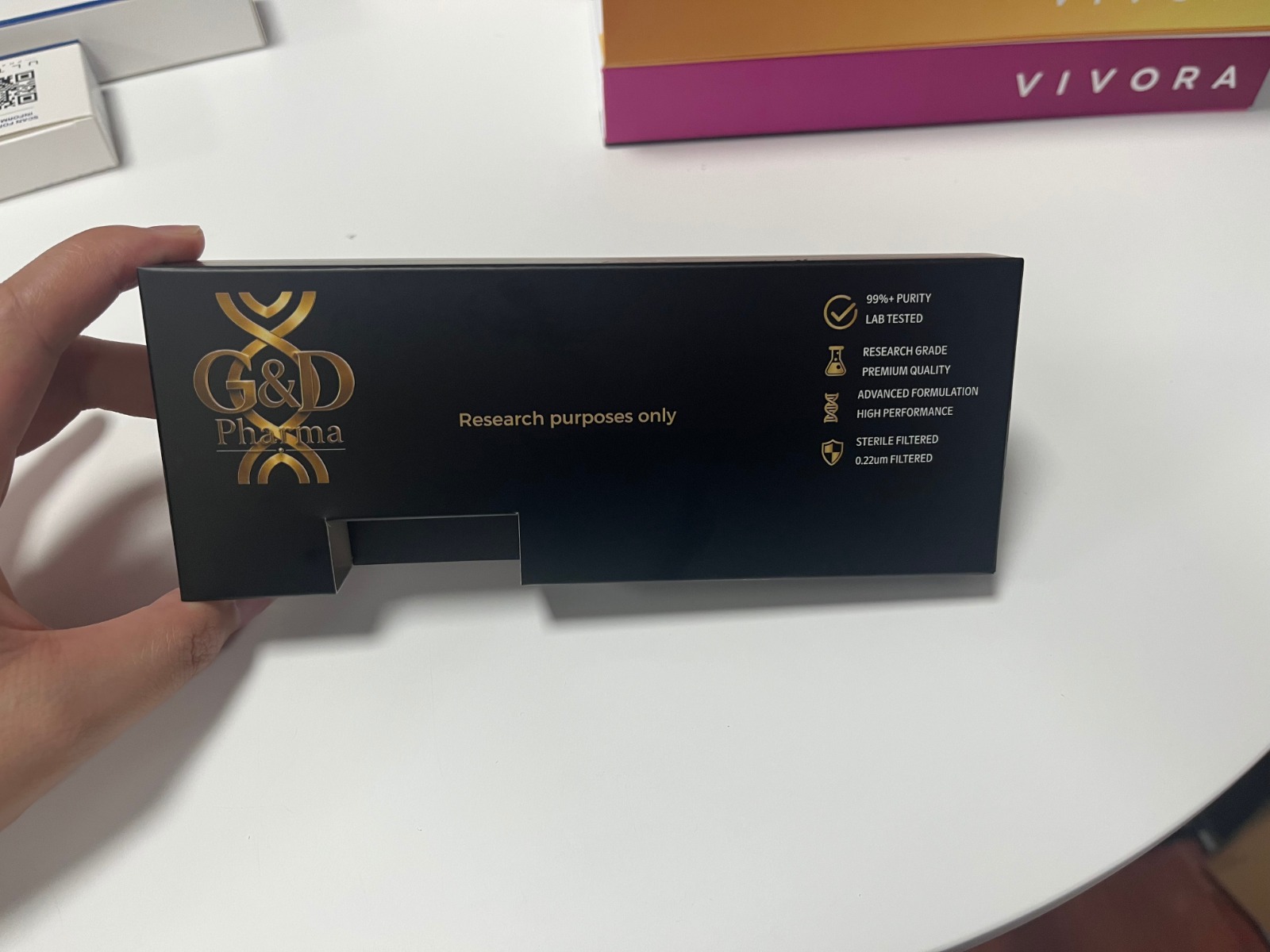
GHK-Cu is widely used in topical cosmetic products and has been for decades. G&D Pharma supplies it as an injectable research pen at 50mg and 100mg concentrations. Research on injectable versus topical routes suggests different bioavailability profiles and potentially different tissue distribution, though comparative clinical studies are limited.
Dosing in Research
G&D Pharma supplies GHK-Cu at 50mg and 100mg. The 100mg pen is also included in The Glow Stack alongside KPV and the GLOW blend.
Safety Profile
GHK-Cu has an excellent safety profile based on its long research history. Copper is an essential trace mineral and GHK-Cu at research doses does not approach copper toxicity thresholds. It is one of the better-characterised peptides in terms of safety data.
For research purposes only
All compounds supplied by G&D Pharma are research chemicals only. This article is educational. It is not medical advice. Speak to a qualified clinician before making any health decision.