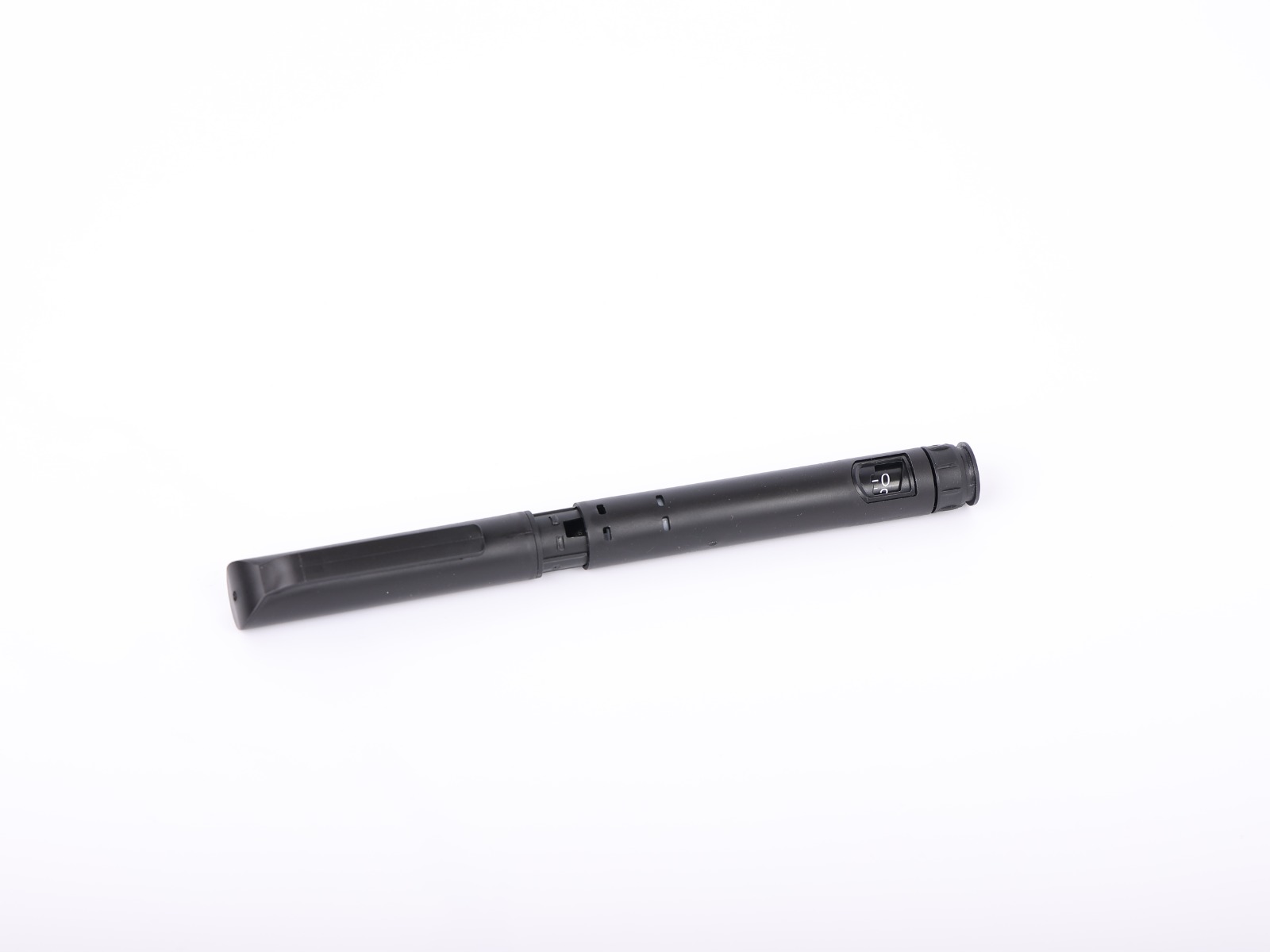
CJC-1295 and Ipamorelin are the most studied growth hormone peptide pairing in research. They are not used together because there is no better option — they are used together because the combination produces a physiologically superior GH response to either alone. The reason comes down to receptor biology.
Two Completely Separate Pathways
Growth hormone release from the pituitary is regulated by two distinct hormonal systems. GHRH (growth hormone-releasing hormone) stimulates GH release by binding one receptor. Ghrelin (and ghrelin receptor agonists) stimulates GH release by binding a completely separate receptor — the GHSR-1a.
CJC-1295 is a synthetic GHRH analogue. It activates the GHRH pathway. Ipamorelin is a selective ghrelin receptor agonist. It activates the ghrelin pathway. When used together, they stimulate GH release through two independent receptor systems simultaneously, producing a synergistic effect greater than either alone.
Research in animal models and early human studies shows that dual-pathway stimulation produces GH pulses of significantly greater amplitude than single-pathway stimulation at comparable doses.
CJC-1295: The Extended Half-Life Advantage
Natural GHRH has a plasma half-life of minutes — it is degraded rapidly by endogenous proteases. CJC-1295 is engineered to resist this degradation. It uses DAC (Drug Affinity Complex) technology to bind albumin in the blood, which extends its half-life from minutes to several days. This means a single dose maintains an elevated GHRH signal for an extended period, producing sustained downstream GH and IGF-1 elevation rather than a brief spike.
Early human trials with CJC-1295 demonstrated IGF-1 elevation lasting several days after single dosing — consistent with the extended half-life mechanism.
Ipamorelin: The Selectivity Advantage
Older GH secretagogues (GHRP-2, GHRP-6) also activated the ghrelin receptor but produced significant increases in cortisol and prolactin alongside GH — an undesirable side effect profile for research. Ipamorelin was developed specifically to maintain GH selectivity without the cortisol and prolactin elevation.
Animal studies confirm that Ipamorelin produces dose-dependent GH release with minimal cortisol or prolactin stimulation. This selectivity is the key reason Ipamorelin replaced older GHRPs as the preferred ghrelin receptor research compound.
WADA Status
Both CJC-1295 and Ipamorelin are prohibited under WADA Section S2 (Peptide Hormones, Growth Factors, Related Substances and Mimetics). Any athlete subject to drug testing should be aware of this before proceeding with research involving these compounds.
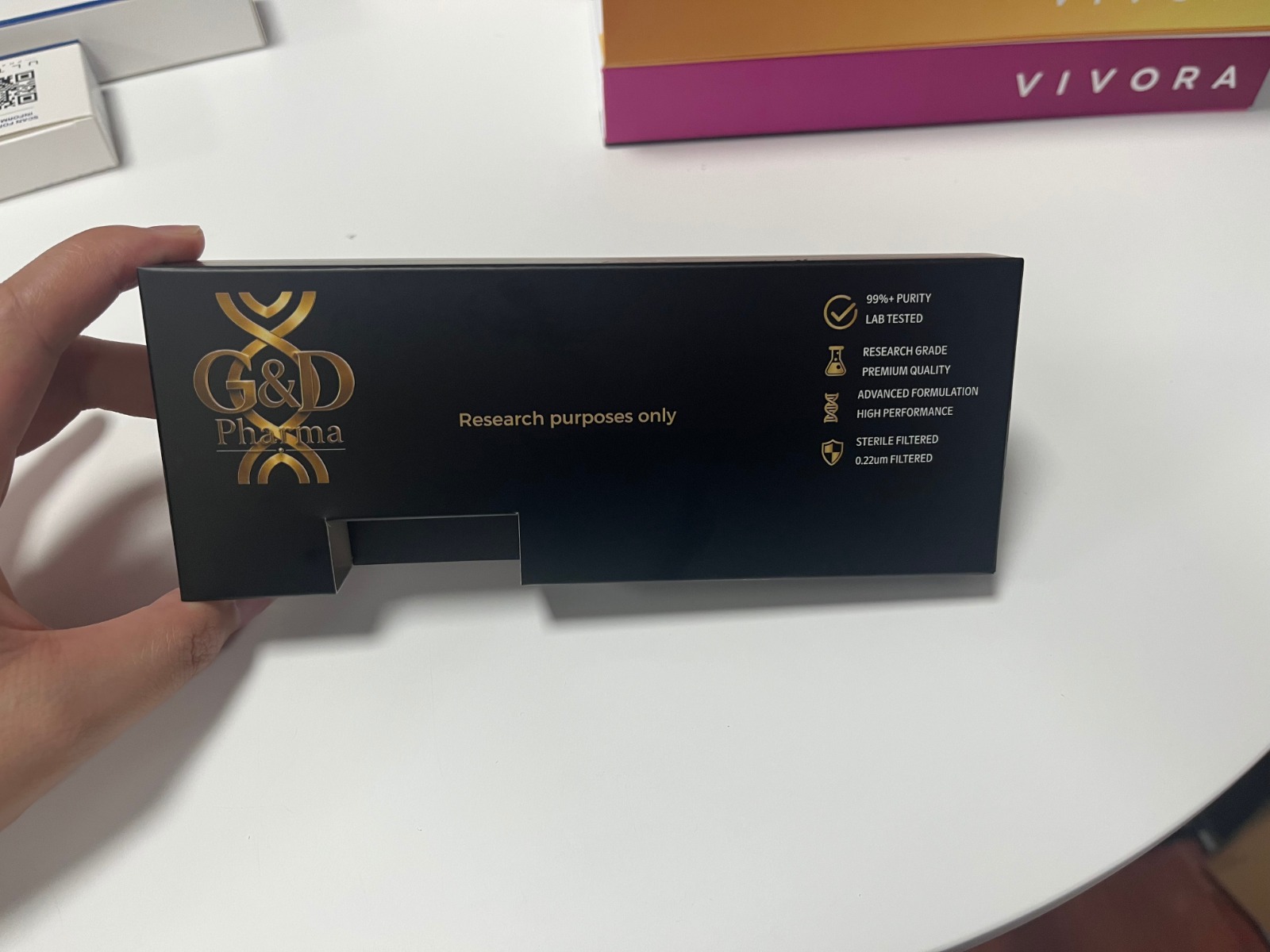
G&D Pharma Supply
G&D Pharma supplies CJC-1295 and Ipamorelin as a combined 10mg research pen. Ipamorelin is also available as a standalone pen at 10mg. Both are included in The Athlete and The Builder stacks.
For research purposes only
All compounds supplied by G&D Pharma are research chemicals only. This article is educational. It is not medical advice. Speak to a qualified clinician before making any health decision.