BPC-157 and TB-500 are the two most studied tissue repair peptides in research. Used individually, each has a substantial evidence base for accelerating injury recovery and regeneration. Combined — what the research community calls the Wolverine Stack — they work through complementary mechanisms that cover a broader range of tissue repair processes than either achieves alone.
What BPC-157 Does
BPC-157 (Body Protection Compound 157) is a pentadecapeptide — a chain of 15 amino acids — derived from a protective protein found in human gastric juice. It was isolated and synthesised specifically because of the remarkable healing properties observed in gastric tissue, which repairs itself rapidly under normal conditions.
Research in animal models has demonstrated that BPC-157 accelerates healing of tendons, ligaments, muscles, bone and gut tissue. The proposed mechanisms include upregulation of growth hormone receptors in tendon fibroblasts, angiogenesis (new blood vessel formation) to increase blood supply to injured tissue, and modulation of nitric oxide pathways involved in inflammation and vascular function.
The animal evidence is extensive. Rat models show significantly faster tendon repair, muscle healing, and bone knitting following BPC-157 administration. Multiple studies across different research groups have replicated these findings.
What TB-500 Does
TB-500 is a synthetic version of Thymosin Beta-4, a naturally occurring peptide found in high concentrations at wound sites throughout the body. Its primary mechanism involves actin regulation — actin is the protein that drives cell movement and migration, which is fundamental to wound healing and tissue repair.
TB-500 promotes the migration of repair cells to damaged tissue, reduces inflammation, and has demonstrated angiogenic properties — stimulating the growth of new capillaries into damaged areas to improve blood supply and nutrient delivery during healing.
Why They Work Better Together
BPC-157 and TB-500 address tissue repair through largely non-overlapping mechanisms. BPC-157 works primarily through growth factor receptor upregulation and nitric oxide pathways. TB-500 works primarily through actin and cell migration. Combining them creates a protocol where multiple simultaneous biological processes accelerate repair — which is why the stack has become the standard approach in tissue repair research rather than either compound alone.
Evidence Limitations
The honest limitation of BPC-157 and TB-500 research is that it is almost entirely from animal models. Neither compound has completed large-scale human clinical trials. The mechanism is plausible and well-characterised, and the animal data is consistent across multiple studies, but translation from rodent models to human outcomes is not guaranteed. This is research-stage evidence, not clinical proof.
G&D Pharma Supply
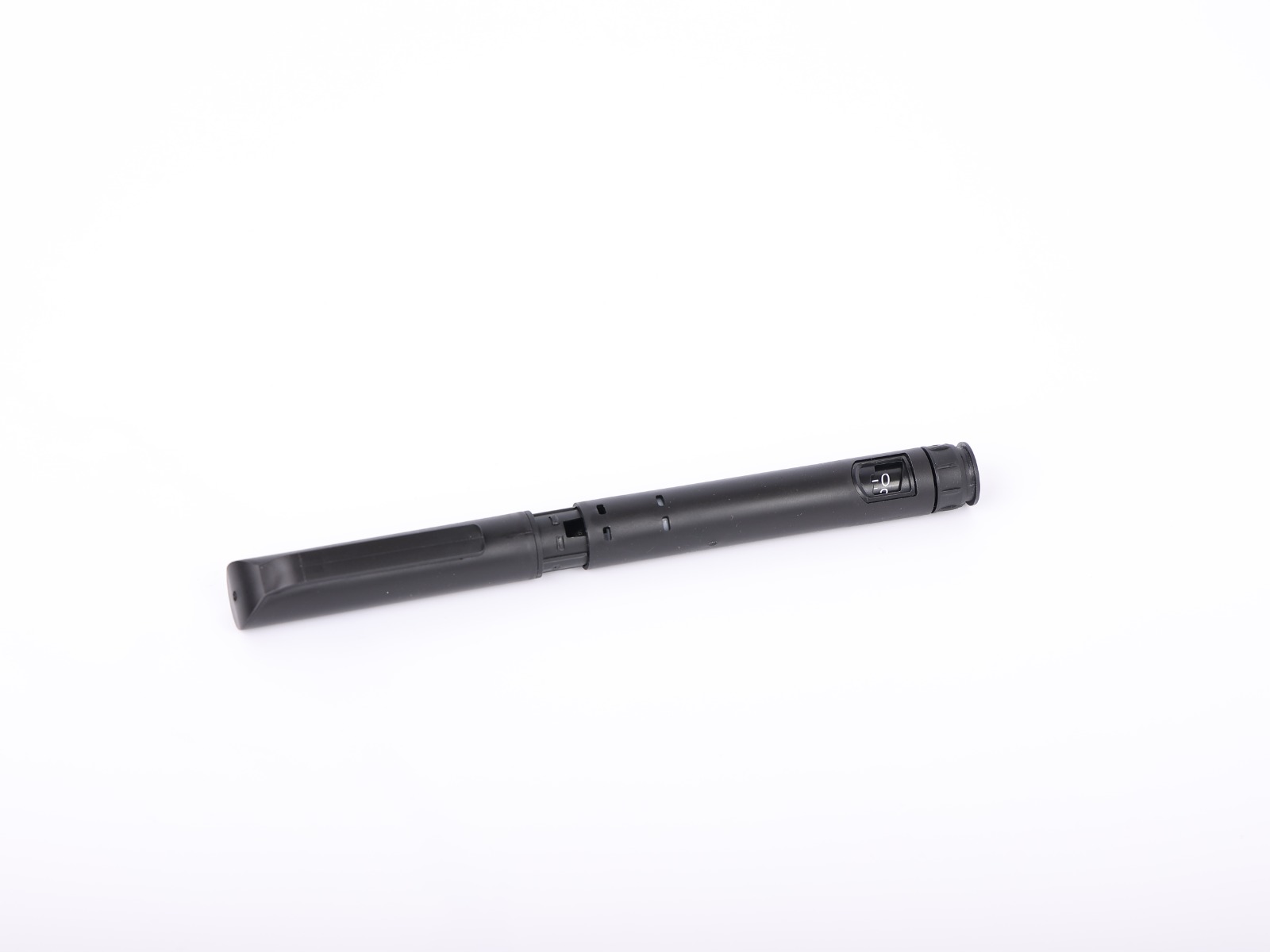
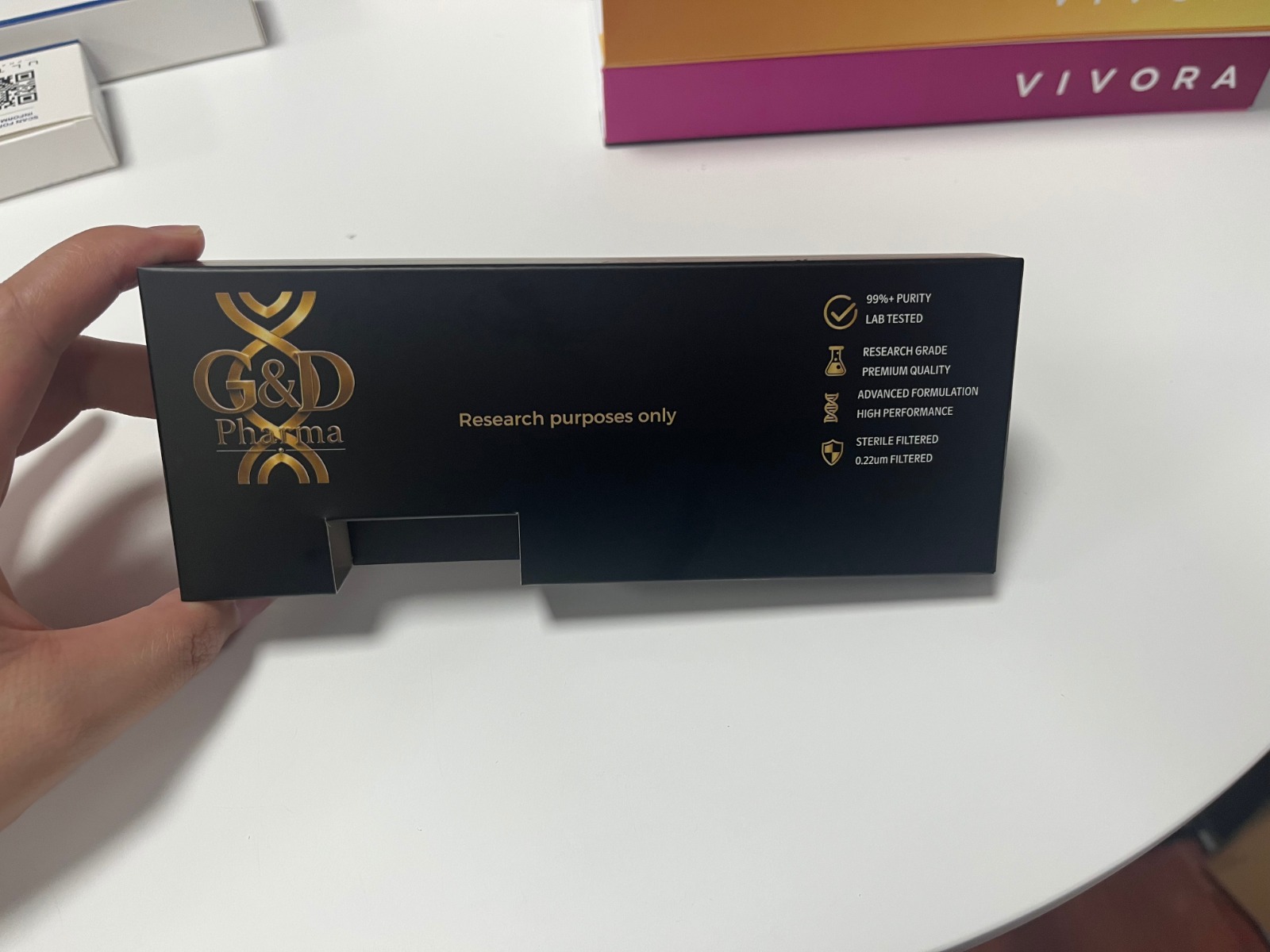
G&D Pharma supplies BPC-157 and TB-500 as a combined 30mg research pen. The combination is also included in The Wolverine and The Athlete stacks.
For research purposes only
All compounds supplied by G&D Pharma are research chemicals only. This article is educational. It is not medical advice. Speak to a qualified clinician before making any health decision.